

Polyvinyl chloride (PVC) recycling makes use of its thermoplastic properties, enabling it to be melted and recycled multiple times without significant loss in quality, which makes it the foundation of the work of the circular economy. The process converts waste into high quality recyclate either by mechanical or chemical process, which lowers landfill and virgin resource requirements. The knowledge of this science shows the importance of PVC in the management of materials in a sustainable manner.
Mechanical Recycling Process
PVC recovery is mostly achieved through mechanical recycling, which begins with collection and sorting of PVC to isolate clean PVC streams, and eliminates other contaminants such as metals or other plastics. Shredding and grinding chips the material to flakes or powder and then washing was done to remove dirt, labels and low-density impurities through flotation. Recyclate is dried, poured into pellets, and checked, to meet standards of pipes, profiles, or flooring, frequently mixed with virgin PVC.
Chemical Recycling Methods
 The chemical methods decompose PVC into monomers or basic units to a higher degree of purity, which is optimal in case of contaminated waste. PVC is anaerobically heated using a pyrolysis to obtain hydrocarbons, syngas or fuels, and hydrolysis is used to recover sodium chloride and calcium chloride using water or ionic liquids. Such processes as VinyLoop dissolve PVC in solvents, then filter impurities, and then precipitate clean polymer, and allow reuse in a closed loop. These processes overcome the obstacles that mechanical recycling is unable to overcome, like mixed additives.
Scientific Principles at Play
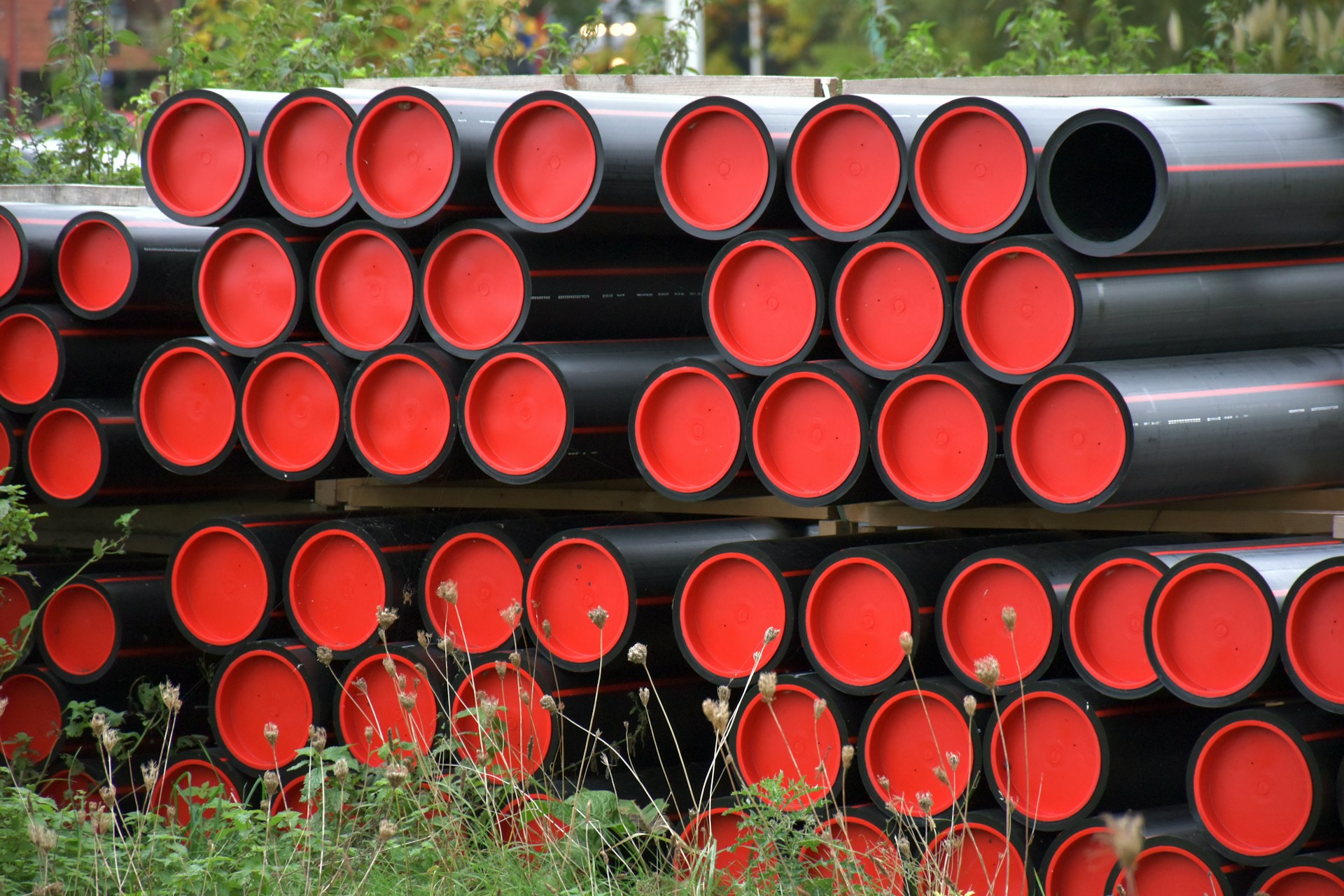 The structure of PVC is long chains of vinyl chloride (CH2=CHCl polymerized), which allows thermoplastic behavior, that is, softening at 160-210 C to be recycled. Dechlorination eliminates HCl emissions at thermal stages, and neutralizes chlorine using bases or water to preserve equipment and environment. Stabilizers and other additives retain properties by cycling and PVC can be recycled to an extent of 8 times mechanically and a slight degradation occurs. Purity is used in triboelectric and density separation, which take advantage of the physics of materials.
Environmental and Economic Benefits
Fifty percent of energy and 50 percent of CO2 emissions reduced by recycling PVC compared to virgin production save oil and salt feedstocks. It removes permanent wastes such as 70-year pipes off landfills, saving on resources as plastic demand increases. Recyclate reduces the expenses of industries economically, creating employment in the collection systems and enhancing material value chains. The worldwide effort such as VinylPlus aims at increased recyclate percentages, which is scalable.
Challenges and Future Outlook
Pollution with additives or composite prevents sorting, which requires the use of high-tech solutions such as AI vision systems. The regulatory pressures and feedstock recycling innovation is offering virtually inexhaustible loops, and the diversity of PVC can support the decarbonization process. By focusing on design-to-recycle, efficacy is increased and PVC will be in the forefront of plastics that are sustainable. Learning to do these processes is important in terms of waste minimization and resources security.