
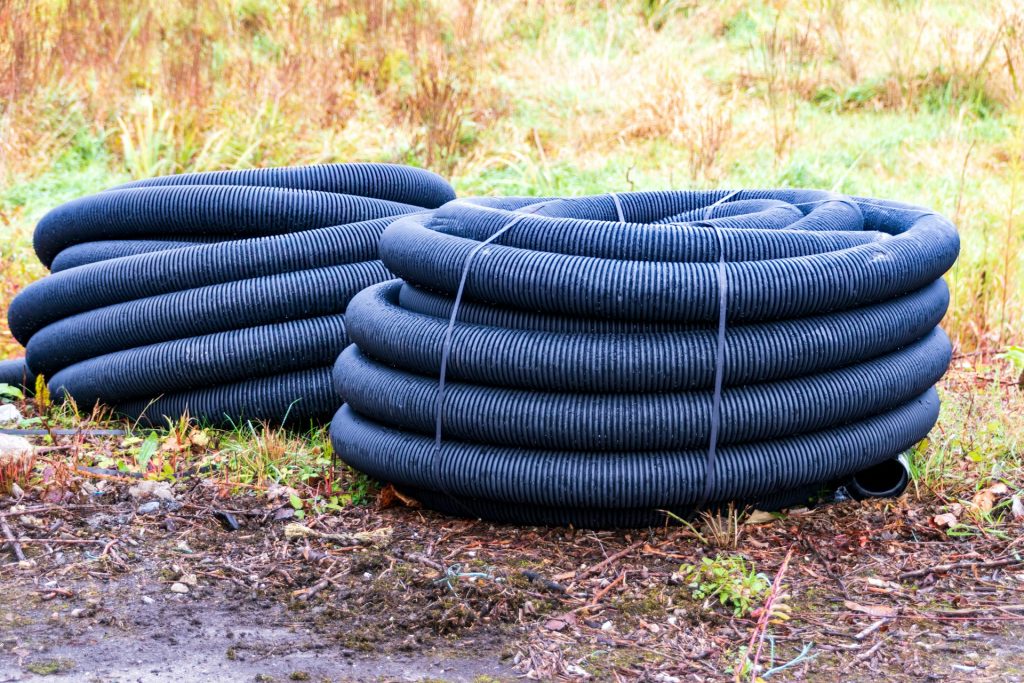
The plastics industry is being transformed by technological changes in PVC with sustainability oriented technologies, intelligent manufacturing and bio-based formulations that are forecasted to expand by 5 percent by 2025 due to changes in regulations. Innovations such as AI automation, improved recyclability, and IoT connectivity have made PVC the leader in the circular economy and have seen it branch out into smart infrastructure and green packaging. Such developments strike a balance between performance and environmental compliance, which prompts market worth to billions by 2030.
Smart Automation and AI Integration
In 2025, PVC machines embrace AI, IoT, and robotics to achieve precision, and improve production speed by 20 percent and reduce costs by 15 percent through digital twins and predictive maintenance. Intelligent systems are used to optimize the material handling process, lessening the waste and downtime in the extrusion lines of pipes and profiles. This automation allows customization, responding to the needs of customized rigid and flexible PVC in construction and cables.
Sustainability and Recyclability Advances
 Eco-innovations are using recycled content and biodegradable additive and aiming at 20-30% bio-based PVC market share by 2030 using phthalate free low-VOC stabilizers. High-tech sorting solutions transform cable recycling and closed-loop operations such as improved VinyLoop clean up composites and reuse at high-grade. These reduce carbon footprints, which meets EU REACH and other world regulations of greener packaging films estimated at $17.48B by 2034.
Bio-Based and Energy-Efficient Formulations
The scientists make bio-PVC using renewable feedstock, eliminating use of fossil fuels and ensuring infrastructure such as uPVC pipes last longer. Power consumption is reduced by using energy efficient machineries and it involves the use of high quality compounds in corrosion-resistant polymers in water and sanitation. New products such as PVC-O fittings increase strength using less material making it easier to install and prolong lifespans.
Smart Products for Infrastructure
Smart buildings incorporate IoT sensors embedded in PVC panels to monitor the environment in real time in smart buildings, and are used in 60% of pipe fittings in the U.S. through infrastructure upgrades. The current cable technology focuses on fire safety and circularity to facilitate energy distribution in the green development. Urban projects are being transformed by these applications and polymer compounding is producing versatile rigid formulations that produce resilient infrastructure.
Market Growth and Strategic Outlook
Due to urbanization and technology, PVC demand in the APAC and emerging markets is rocketing, and the industry is projected to experience steady growth until 2035. The competitive advantages such as quality and low prices are derived through innovative suppliers, whereby buyers focus on R&D to compete in terms of compliance. Sustainable niches are driven to expand by environmental forces that guarantee the central role of PVC in the development of plastics.