
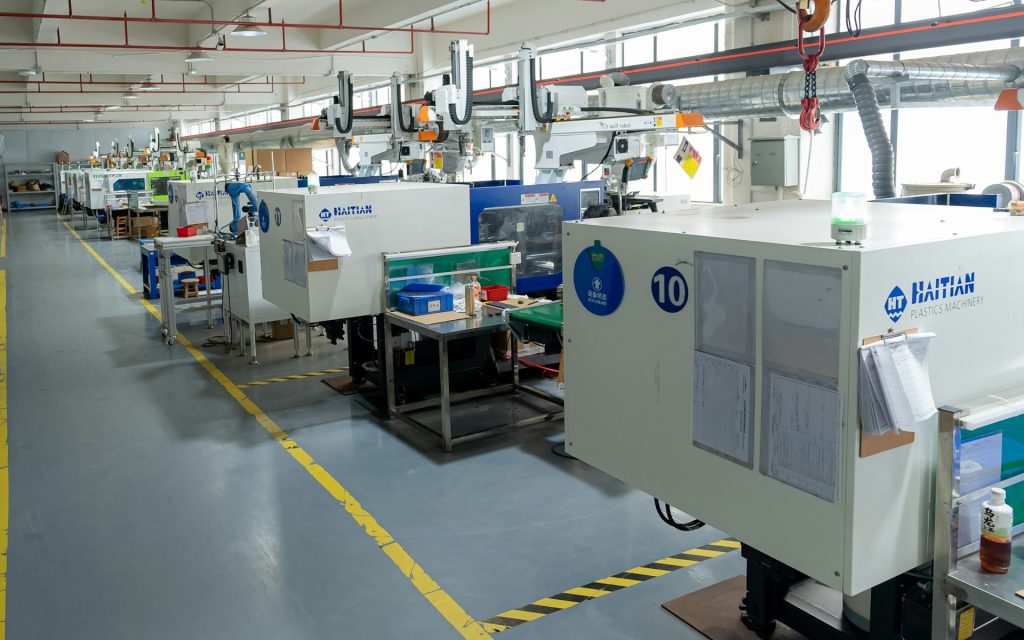
The production of modern PVC has changed towards cleaner processes, the integration of renewable energy and efficiency savings, which reduce the emissions and the consumption of resources by a significant margin as compared to the traditional methodology. It is based on recyclable, long-lasting salt (57%), and oil (43%), which requires less energy than metals or concrete, which is in line with the aim of the circular economy. These developments make PVC a low impact infrastructure and packaging material.
Reduced Energy and Resource Consumption
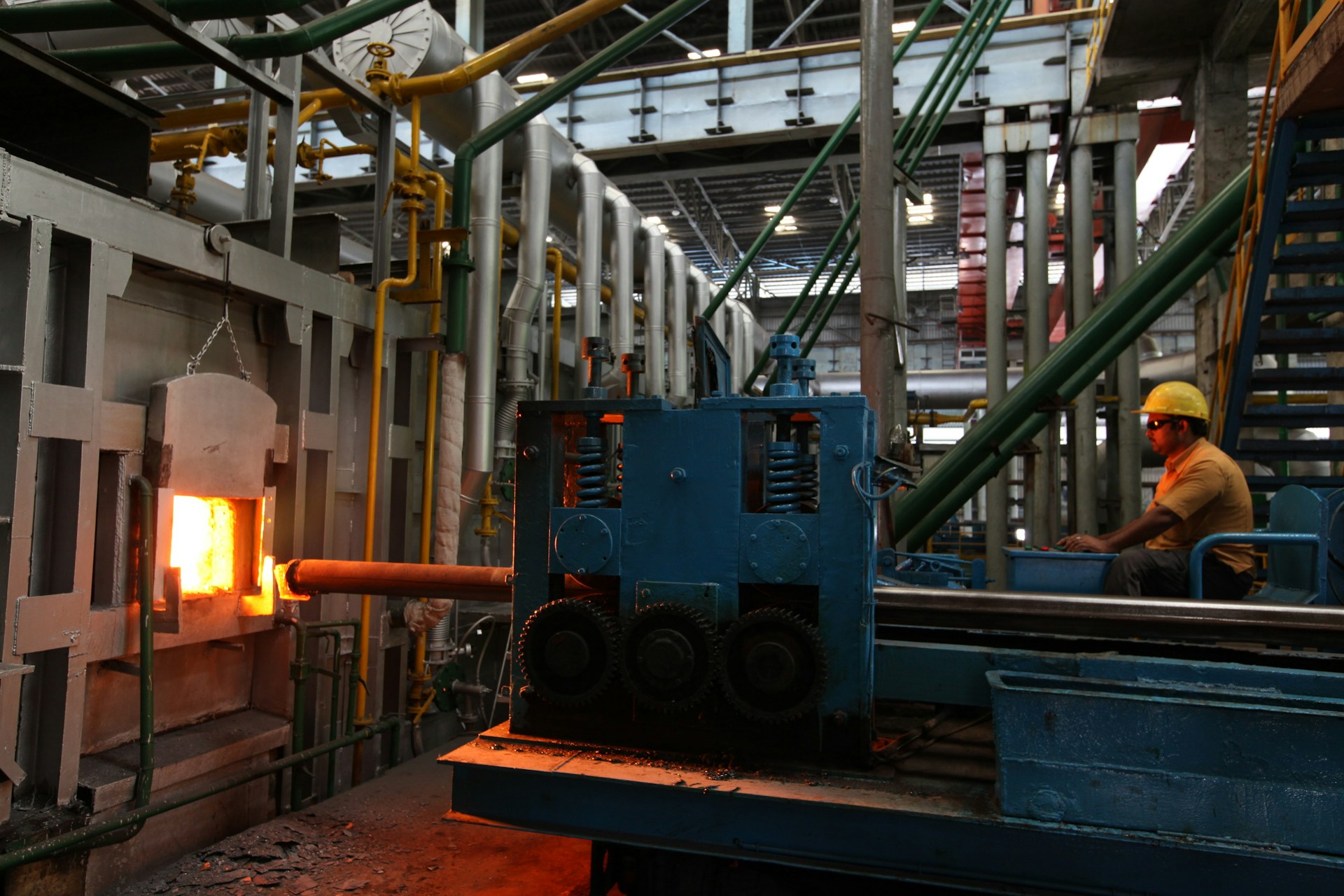 Modern PVC facilities are using electricity grids to tap into renewable energy sources such as wind and solar, reducing the costs of operation and carbon footprints compared with energy sources that require coal. It also uses less raw material because production uses optimized formulations with oriented PVC (PVC-O) pipes consuming less mass to be as strong as normal, and this reduces use of raw material at the very beginning. During the use of recyclate, the energy requirements decline by 45-90 percent, decoupling itself to the virgin fossil fuels.
Lower Greenhouse Gas Emissions
State of the art plants produce a mere 35 percent lower CO2 level than iron and even less than smelting cement or steel due to accurate processing and waste heat recovery. Industry goals, such as VinylPlus, are 20 per cent energy savings in resin manufacturing through biomass and efficiency technologies, which will save millions of tonnes of CO2 emissions per year. Lifecycle analyses affirm that the footprint of PVC reduces further when recycled material is used with up to 92 percent saving in closed loops.
Enhanced Recyclability and Circular Design
The thermoplastic composition of PVC allows mechanical recycling of eight cycles and new technology such as solvent-based VinyLoop re-purifies polluted streams to reuse in high quality. The manufacturers are now focusing on design-to-recycle, increasing the content after use and landfill diversion of waste, Europe recycled 640,000 tonnes in the past years and it has generated employment and resource conservation. This promotes UN SDGs by reducing the virgin inputs and increasing the material life.
Durability-Driven Waste Reduction
Modern PVC products have a lifespan of more than 100 years, are resistant to corrosion and cut down replacement requirements and emissions. Frictionless interiors also slow down the energy used to pump water by as much as 50 percent and prevent water loss. The low weight design reduces the amount of transport emissions, and 100% recyclability allows the value at end-of-life, which is better than that of degradable options.
Innovation and Future Sustainability
Further decarbonization of the chain is achieved through breakthroughs such as AI-optimized manufacture and renewable feedstock, and in 2025 reports, water footprint reduction and sustainable sourcing are noted. The following measures render PVC climate-neutral, with a tradeoff between performance and eco-benefits to infrastructure resilience. The modern process of manufacturing contributes to the role of PVC in green transitions by promoting efficiency throughout the value chain.