

The PVC manufacturing process converts the raw materials, such as salt and petroleum, which are abundant and available in large quantities into multi-purpose products by using numerous chemical and physical reactions, beginning with the extraction of chlorine and concluding with the production of tailor-made compounds. These combined routes of upstream petrochemicals, polymerization, and fabrication make pipes, profiles, and films efficient and scalable. The understanding of this chain will help to comprehend the resource intelligent process of PVC development, starting with nature and ending with its daily application.
Raw Material Sourcing
PVC is first produced by chlor-alkali plants by electrolyzing industrial grade salt (sodium chloride) to yield chlorine gas, hydrogen, and caustic soda. At the same time, petrochemical refineries thermally crack natural gas or naphtha to produce ethylene, one of the most important hydrocarbons (43% of the inputs in PVC) and 57% of the chlorine-based inputs. The basis of these feedstocks is sourced worldwide and modern chains are focusing on sustainable sourcing in order to limit environmental effects.
Vinyl Chloride Monomer Synthesis
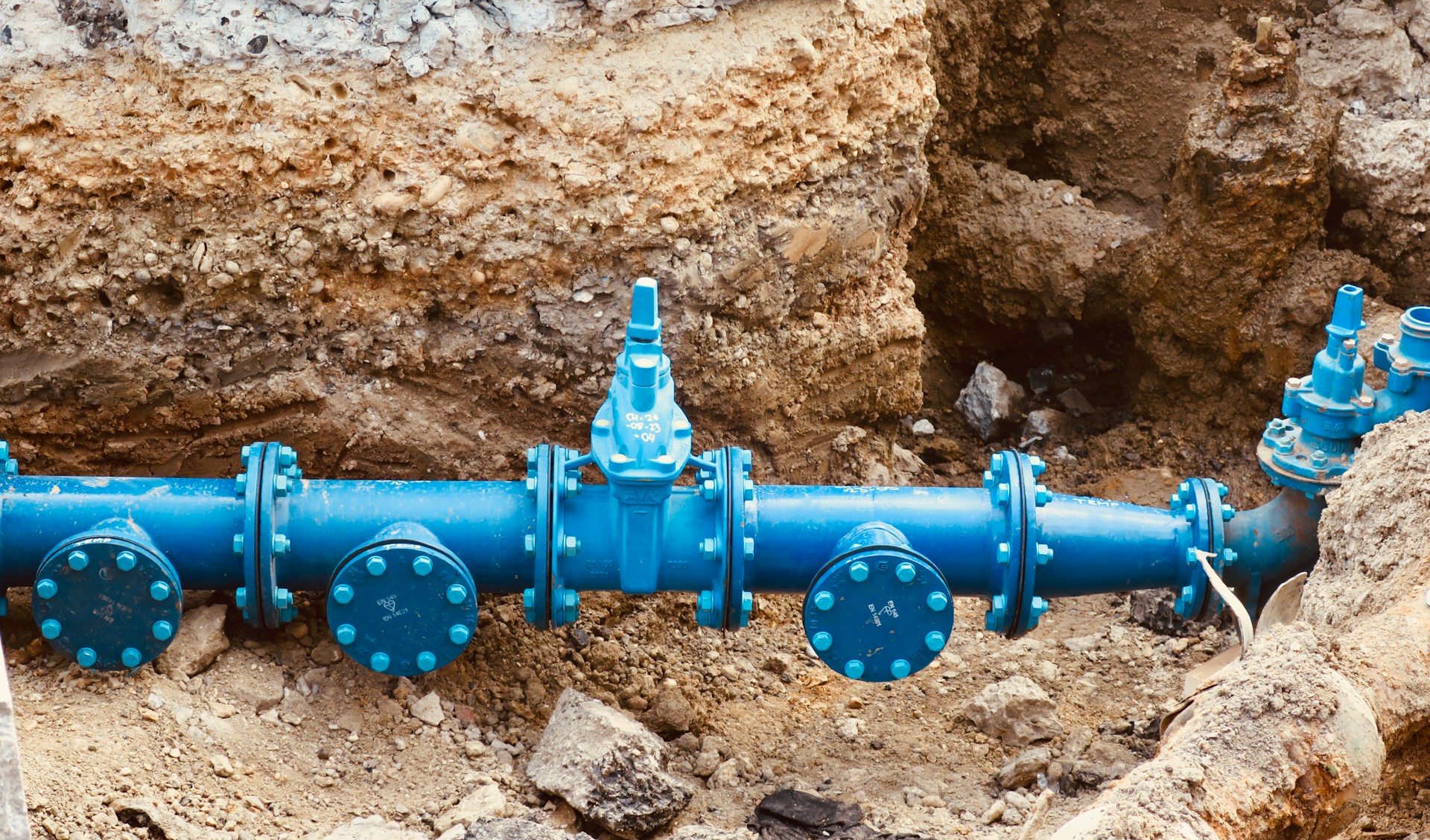 Chlorine is added to ethylene to form ethylene dichloride (EDC) in a chlorination step, which is thermal cracked in high temperature thermal reactors to form vinyl chloride monomer (VCM). This oxychlorination or balanced process purifies VCM through distillation eliminating impurities to produce high-quality polymerization feedstock. VCM, the building block (CH2=CHCl), is a connection of PVC chlorine-rich versatility, allowing it to be compatible with a wide variety of additives.
Polymerization to Resin
Suspension polymerization is predominant, whereby liquid VCM flows into reactors containing a pressure and agitation, water, suspensing agents, and initiators at 40-60 o C. Exothermic reactions produce PVC particles (50- 200 μm) in a slurry, which is cooled and centrifuged to split up resin and dried or stripped to remove water. The white powder resin that is rigid but thermoplast undergoes a quality control on particle size and purity, and it is compounded.
Compounding and Additives Integration
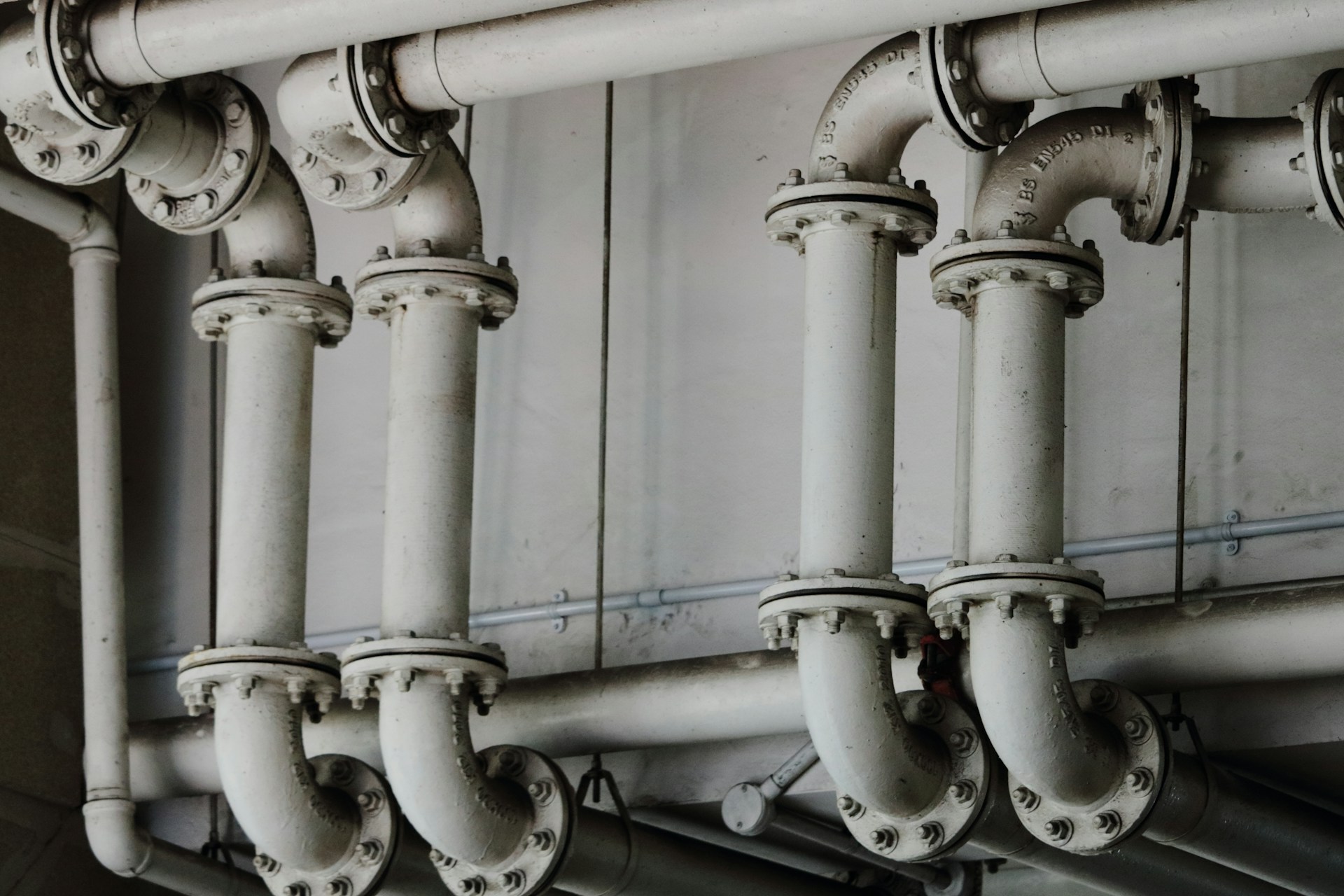 In high-speed mixers or extruders, dry resin is combined with stabilizers, plasticizers, lubricants, pigments, and fillers to customize such properties as flexibility or UV resistance. The blend is melted by heat and shear into uniform pellets or powder then cooled to be stored with formulations differing depending on rigid pipes or soft films. This step improves the performance such that PVC is made to match the application requirements and does not change core polymer chains.
Fabrication into Final Products
Compounded PVC is fed into extruders, calendering machines or injection molders whereby it is melted at 160-210 C into pipes, sheets or profiles using dies and cooling baths. Dimensional checks and testing are quality checks done before packaging and recyclate is usually mixed to complete the circle. This chain supplies long-lasting, inexpensive products, including water pipes that have a lifespan of several decades, medical tubing, and so forth, highlighting the importance of PVC as an industrial workhorse.