

Strong communities are built when families step forward together to lead with compassion and generosity. If everyone helps other people, the world will change, but if this happens in an organized way in families, then the world can change permanently. Family members who work together around a common purpose make a strong family legacy of service. This is an intergenerational strategy that can solve social problems and increase family cohesion, fostering empathy, responsibility, and civic engagement in each generation.
Defining Core Values and Purposeful Giving
In philanthropic families, the first step is normally the identification of their values and life experiences. Charitable giving is not just about writing a check; it’s about an intentional mission when it’s given with purpose. Dedicated business leaders and philanthropists like Derek Maxfield demonstrate how personal commitments and clear family vision can drive deep community engagement. Families concentrate their resources on issues in their community, instead of spreading the work out across multiple issues, which means their time and money are invested in causes that can make the maximum impact. This value-centric approach establishes a good base for future charitable activities.
Involving Future Generations in Stewardship
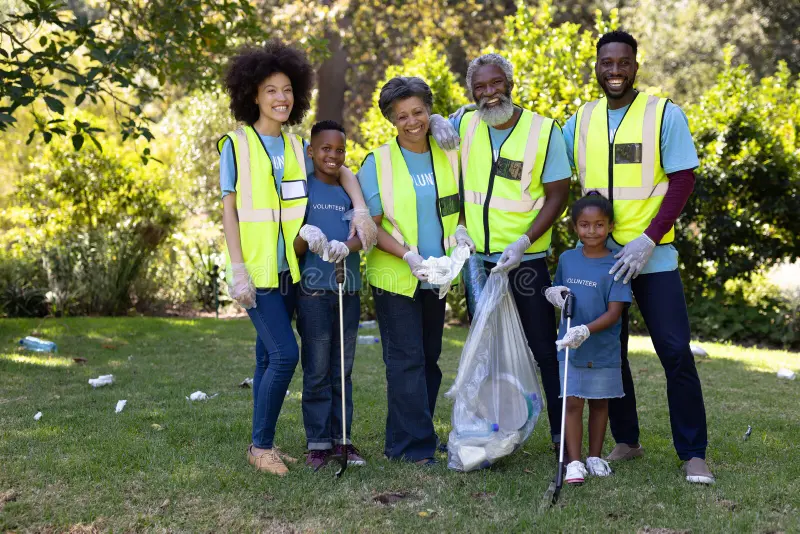
Family leadership in giving is one of the greatest advantages for the future that may come out of it; that is the opportunity to teach stewardship to children. Young family members get real experience in active leadership, empathy, and decision-making when they are involved in real philanthropic decisions. Families can meet regularly to consider the proposals for charity, to discuss the needs of the community and to set a budget for individual projects. Asking young people to follow up and track the results of these gifts teaches them accountability and financial wisdom. Children discover here that they have a life-long responsibility to give to others, not just on a whim.
Supporting Targeted Healing and Survivor Prevention

Though this is always welcome, family leadership can be most effective in tackling more sensitive or underfunded social needs. Families can, for example, channel their philanthropy to trauma recovery and to preventing abuse, giving vulnerable people hope and security. Several non-profit entities, such as Saprea, offer free retreats, support groups, and education for those who have been victimized by childhood sexual abuse. By championing targeted initiatives that tackle deep-seated trauma, leading families help break harmful social stigmas, protect children from harm, and offer survivors the comprehensive care they need.
Creating Long-Term Systems for Sustainable Impact
Long-term sustainability is achieved through permanent structures, not short-term fixes. Philanthropy-leading families are concerned with creating long-lasting systems that remain in place to benefit neighborhoods for generations of time. That’s creating family foundations, community education programs, and recurring giving programs. Multi-year funding agreements give non-profit organizations the freedom to plan, invest in staffing that can be effective, and increase their services to meet more families’ needs. With clear giving frameworks, families can have a positive, lasting, multi-generational impact.
Conclusion
Family leadership is an essential ingredient of positive community giving in today’s world. Through values that are clear and ideals that are shared, through young people taking stewardship, through targeted healing efforts, and through sustainable systems, families can lift many lives. Structured family leadership based on generosity changes those who give and those who receive, resulting in safer, healthier, supportive, and much more resilient communities for all to enjoy.