

Understanding PVC
One of the most commonly used plastics in the world is PVC, which is polyvinyl chloride. It is a thermoplastic polymer, i.e., it becomes moldable at high temperatures and hardens at low temperatures. The polymerization of the vinyl chloride, which is a product of salt and petroleum or natural gas, forms the PVC. It is a lightweight, strong, and highly versatile plastic, and its durability and versatility can be used in the construction industry and in healthcare among many other applications.
Key Properties of PVC
 The popularity of PVC is due to its set of impressive characteristics. It is not heavy, but strong and abrasion resistant, which is applicable to long-lasting products. Its chemical makeup provides it with a great resistance to inorganic chemicals such as oils, acids and alkalis, thus it does not corrode in a harsh environment. High dielectric strength of PVC gives it a great electrical insulator. It is also resistant to weather conditions that can withstand UV radiations and extreme temperatures without affecting it. Furthermore, the PVC is also naturally flame retardant- due to chlorine content- and so, it tends to extinguish itself once in fire. PVC can be made either flexible or softer with the addition of plasticizers extending its application to flexible tubing and films. It is economically viable and does not need a lot of maintenance that other materials need.
Versatile Applications
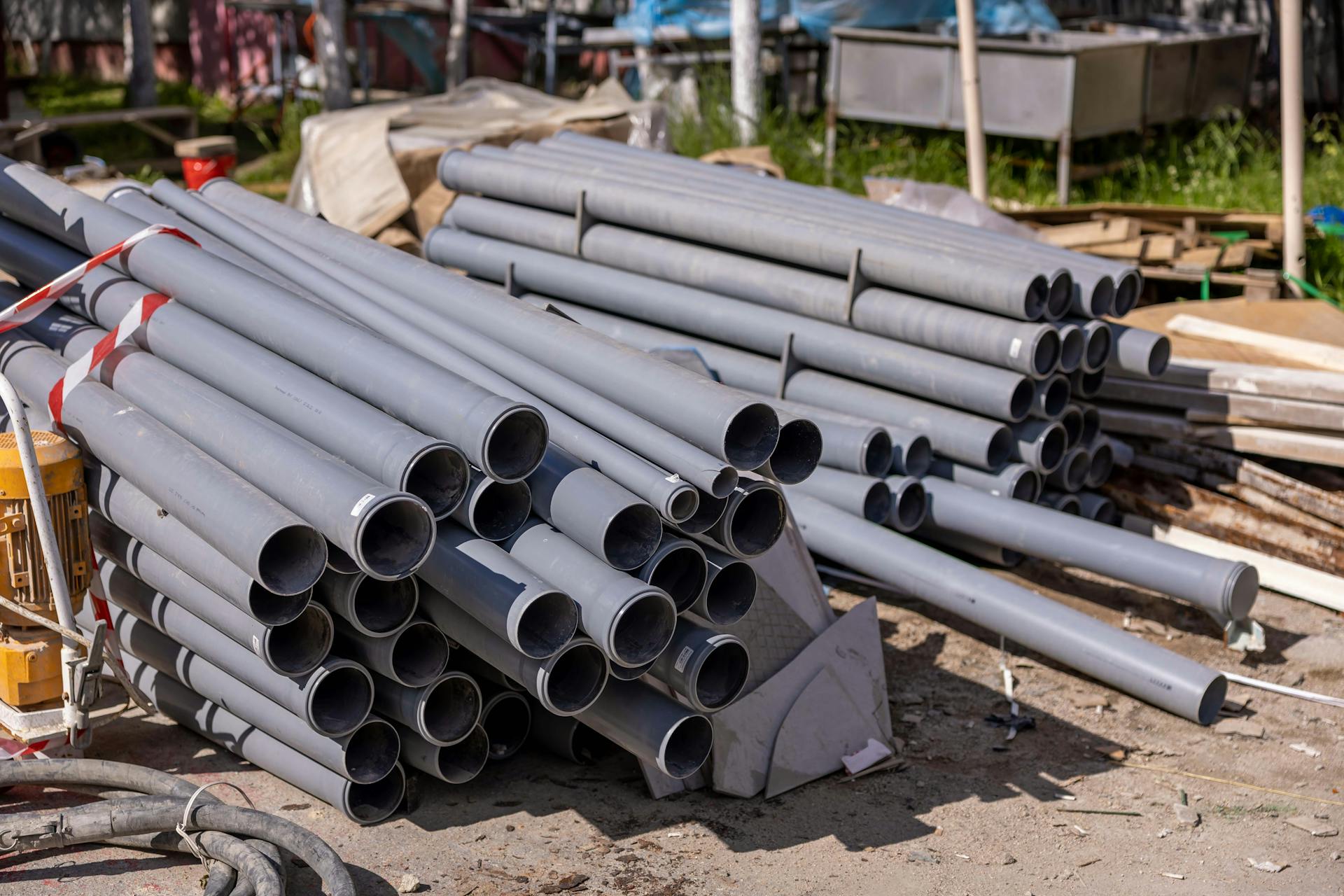 PVC is used in various industries because of the flexible aspect to which it belongs. Rigid PVC is applied in construction of pipes, window frames, doors and roofing sheets where durability and resistance to weather are a major concern. PVC has the advantage of insulating electrical cables to ensure safety and protection. PVC is used by medical field in such products as blood bags and tubing because of its flexibility, clarity and safety. It is also applied in the daily commodities like flooring, packaging, and signage. Flexibility and rigidity have given PVC a universal plastic, which meets a wide spectrum of requirements.
Environmental and Safety Aspects
PVC is non-degradable, which has led to its high service life, but it has raised the issue of disposal and environmental effects. Nevertheless, recycling of PVC to minimize waste has been achieved. PVC has a high chemical resistance which implies that PVC is not easily broken down or emits toxic compounds in its use. PVC is also non-toxic and safe in terms of safety in medical use although manufacturers pay special attention to additives such as plasticizers to maintain product safety. The building safety is also enhanced by its fire-retardant nature that prevents the fire propagation.
Why PVC Is Considered the Most Versatile Plastic
PVC has the advantage of balance between performance, cost-efficiency and flexibility, which makes it versatile. Different requirements can be produced by modifying the additives and the processing processes. This leads to products of different rigidity, transparency, color and resistance. In heavy-duty industry, or in the consumer goods that we use every day, PVC has a strength, flexibility and durability that is difficult to match with other plastics. The ability to be formed, colored, and altered as required makes PVC one of the materials that remain crucial in most of the contemporary industries in the world today.
To conclude, PVC has a wide range of useful features and is a versatile material in the manufacturing industry, construction, healthcare, and various other fields. It is economically viable and has strong performance qualities that are attributed to its continued relevance in the world today as one of the most important plastics.